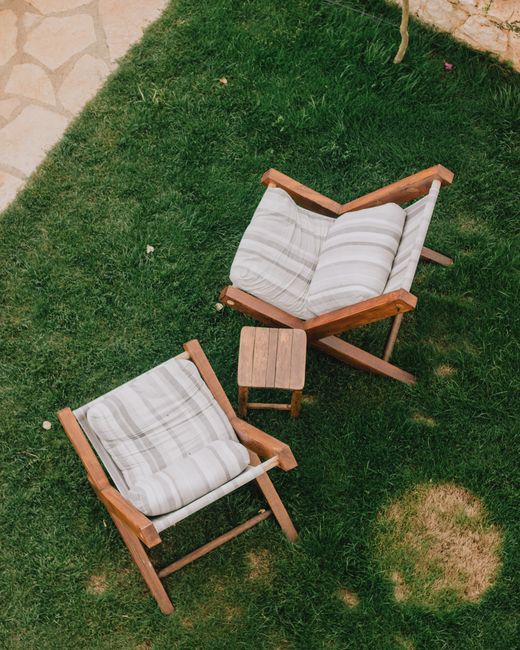
Bruce Grove gardeners small yard solutions Tottenham: practical ideas for small gardens that feel bigger
If you live in Bruce Grove or anywhere nearby in Tottenham, you probably know the same feeling: the garden looks small, the layout is a bit awkward, and every square metre has to work hard. That is exactly where Bruce Grove gardeners small yard solutions Tottenham become genuinely useful. A compact yard does not need grand gestures. It needs smart choices, tidy structure, and a plan that suits how you actually live. Not everyone wants a perfect show garden. Most people just want a space that feels calmer, easier to maintain, and pleasant to step into on a grey London morning.
In this guide, we'll break down how small-yard gardening works in real life, what makes the biggest difference, which mistakes waste space, and how to choose practical improvements that suit local homes in Tottenham. You'll also find a checklist, a comparison table, and a few honest examples from the sort of gardens people actually have round here. Let's make the most of the space you've got.
Why Bruce Grove gardeners small yard solutions Tottenham Matters
Small yards in Bruce Grove tend to come with a familiar mix of challenges: limited sunlight, narrow access, uneven paving, patchy lawns, and boundaries that make the space feel tighter than it is. In a lot of Tottenham homes, the garden is not the biggest room on the property, but it can still do a lot of heavy lifting. It can be a place for coffee, drying clothes, a bit of growing, a safe place for children, or simply somewhere that looks cared for when you glance out the back window.
That is why compact-garden work is not just about planting a few flowers and calling it done. Small yards need proportion. They need easy movement. They need maintenance that does not become a burden three weeks later. A clever layout can make a modest outdoor space feel surprisingly generous, while a clumsy one can make even a decent-sized yard feel cramped. Truth be told, a lot of garden frustration starts with trying to fit too much in.
Local conditions matter as well. Tottenham gardens often sit between buildings, so shade, reflected heat, privacy concerns, and drainage can all shape what works. A good gardener will look at the space as a whole, not just the planting beds. They'll notice where the light falls at 8am, where water sits after rain, and which corners just feel dead because nothing has been planned for them. Tiny details, but they add up.
For many homeowners, the main reason to improve a small yard is simple: they want it to feel usable again. Not just pretty on paper. Usable on a Tuesday evening with muddy shoes, a washing basket, and not much time. That's the real test.
How Bruce Grove gardeners small yard solutions Tottenham Works
Small-yard gardening works best when it starts with diagnosis, not decoration. Before any planting or paving decisions, the space needs to be read properly. Where is the light? What is the soil like? Is the area primarily dry, compacted, and shaded, or does it get a lot of sun but also strong wind? These answers steer every later choice.
A practical small-yard approach usually follows a few broad steps:
- Assess the space. Measure the usable area, note access points, and identify problem spots such as puddling, moss, or broken edging.
- Decide what the garden must do. Relaxing space, child-friendly space, storage, low-maintenance planting, or all of the above.
- Create structure first. This may include edging, paving, paths, raised beds, trellis, or simple zones.
- Choose plants that suit the conditions. Compact gardens do better with plants that stay in scale and do not demand constant fussing.
- Plan maintenance realistically. A small yard should not become a weekly burden unless you want it to. Be honest about your time.
That structure-first idea matters more than people expect. In a small space, one badly placed path or oversized shrub can dominate the whole feel of the garden. On the other hand, a neat run of paving, a slim border, and a few layered plants can create visual order almost immediately. You start to notice the space breathing a bit more.
There is also a psychological side to it. A compact yard that looks unfinished often gets ignored. Then the weeds move in, the edges soften, and the space starts to feel even smaller. A well-thought-out layout interrupts that cycle. It gives the eye somewhere to go. It makes maintenance easier. And yes, it tends to make people use the garden more often, which is half the point.
Many homeowners looking into garden maintenance find that the best results come from combining regular upkeep with a few structural changes, rather than relying on tidying alone. That sounds obvious, but it's easy to forget when you're staring at a garden that just looks tired.
Key Benefits and Practical Advantages
Small-yard solutions offer more than a prettier view from the kitchen window. Done well, they can change how the whole home feels. Here are the main benefits people usually notice first.
- Better use of space: Every corner starts serving a purpose, even the awkward ones.
- Lower maintenance: Smart planting and cleaner edges reduce the weekly chore load.
- More privacy: Vertical planting, screening, and layered borders can soften overlooked spaces.
- Improved access: Clear paths and sensible layouts make small yards feel less crowded.
- Neater appearance: A compact garden can look much more intentional with a few targeted changes.
- More year-round interest: Small spaces benefit from plants that look good in more than one season.
For many Tottenham homeowners, there is also a practical value angle. A tidy, coherent yard can make day-to-day life smoother. You do not have to step around clutter. You do not have to wrestle with a lawn that's half mud. And if you've ever tried to carry compost bags through a narrow side passage, you'll know why simple access matters.
Another big advantage is flexibility. A small yard can be adapted gradually. You do not have to renovate everything in one go. A good plan can start with clearing, then edges, then planting, then perhaps a small feature or seating area. That staged approach often suits budgets better, too.
Expert summary: In a compact Tottenham garden, the best results usually come from clear structure, scaled planting, and a maintenance plan you can actually keep up with. Fancy is fine, but practical wins most of the time.
Who This Is For and When It Makes Sense
This kind of work is a good fit for a wide range of people, but it is especially helpful if your yard feels underused, cramped, or just hard to manage. You might recognise yourself here if any of the following sound familiar.
- You have a narrow rear yard that gets patchy sun and a bit of everything else.
- Your garden looks messy even after a tidy-up because the layout is working against you.
- You want a low-maintenance outdoor area rather than a demanding planting project.
- You are preparing a property for sale or rental and need the outside space to look neat quickly.
- You have children, pets, or a busy household and need the garden to be safe and simple.
- You want a more private feel without building something heavy-handed or expensive.
It also makes sense if you've tried to do the garden yourself and hit the usual wall: too little time, too many ideas, or one or two bad decisions that made the whole thing feel off. Happens all the time. One oversized planter and suddenly the yard feels like a storage yard with ambition. Not ideal.
If you're unsure whether to invest in full landscaping or just tidy the space, that depends on the condition of the garden and your goals. Sometimes a strong garden clearance and maintenance reset is enough to make the yard usable again. In other cases, you need a proper redesign. A professional view can save a lot of guesswork.
If the space is cluttered, overgrown, or hard to read at all, a service like garden clearance is often the right first move before any smaller-yard improvements are planned.
Step-by-Step Guidance
Here is a straightforward way to approach a small-yard project in Bruce Grove or the wider Tottenham area. It is not the only way, of course, but it is a sensible one.
1. Strip the garden back to what matters
Start by removing broken items, self-seeded growth, failing containers, old timber, and anything that blocks movement. You want to see the bones of the space. Until then, you are designing in the dark a bit. A good clear-out can feel almost too simple, but it gives you a far better starting point than trying to work around clutter.
2. Measure the usable areas
Measure length, width, and any awkward cut-ins. Note door positions, drains, fences, and access routes. In a tight yard, a few centimetres can matter more than people expect. This is especially true if you want to fit seating, bins, a shed, or a planting strip without making the space feel boxed in.
3. Decide on one main purpose
Small gardens usually work best when they are allowed one clear primary job. Maybe that job is relaxing. Maybe it is easy maintenance. Maybe it is soft planting and privacy. Trying to make the same tiny yard do six different things usually creates visual noise. You can still have more than one use, but one should lead.
4. Build structure with hard landscaping or edging
Edging, paving, stepping stones, slim raised beds, or even carefully placed gravel can transform a compact garden. The point is not to fill the space with hard surfaces. It is to create order. In Tottenham's tighter plots, a good edge line can make the whole area feel less vague and more intentional.
5. Choose plants that suit the scale
Look for plants with manageable growth habits, interesting foliage, and a long season of appeal. In a small yard, foliage often does more work than flowers alone. Think in layers: ground level, mid-height, and perhaps one vertical accent. Avoid anything that will quickly dominate unless you are prepared to prune regularly.
6. Add one focal point, not five
A focal point might be a bench, a specimen plant, a water bowl, a statement pot, or a trellis feature. Just one. Small spaces get overwhelmed quickly. If everything is trying to be the star, nothing stands out. A single strong feature makes the garden feel composed.
7. Keep maintenance in the design
This part gets skipped a lot. Leave enough access for pruning, mowing, sweeping, and watering. Choose materials that won't become slippery and plants that do not need a weekly rescue operation. Your future self will thank you. Probably quietly, but still.
For homeowners who want a broader refresh rather than a purely functional fix, it can help to look at landscape gardening alongside more focused small-yard improvements. That way the space feels designed, not just tidied.
Expert Tips for Better Results
A few small decisions make a big difference in compact gardens. These are the sorts of details that experienced gardeners notice early.
- Use vertical space carefully. Trellis, climbers, and wall planters can free up ground area, but keep the overall look light.
- Repeat materials or colours. Repetition creates calm. Even a small yard feels more generous when it is visually coherent.
- Keep planting layered, not crowded. Layering gives depth; overcrowding just gives you a maintenance headache.
- Choose compact varieties. Shrubs and perennials that stay relatively neat are often a better fit than fast-growing statement plants.
- Plan for winter, not just summer. Bare stems, evergreen structure, and textured foliage keep the garden from looking empty on dull days.
- Leave some breathing room. A little empty space can make a small garden feel bigger. Oddly enough, less is sometimes more, as annoying as that sounds when you're eager to fill every gap.
One useful trick is to stand at the back door and look out for five seconds. What catches your eye first? If the answer is a bin, a cracked slab, or a random pot leaning at a weird angle, that tells you where to start. Most people do not need a full redesign to improve the view. They need a few visual problem spots removed or softened.
Another small but important point: don't underestimate the effect of neat boundaries. Clean fence lines, trimmed edges, and healthy vertical screening can make a small yard feel much more finished. If the edges are scruffy, the whole space tends to look smaller and more chaotic than it really is.
If your garden includes hedging or overhanging growth from the boundary, hedge trimming can help restore light and shape without stripping away the privacy you actually want.
Common Mistakes to Avoid
Small gardens are forgiving in some ways, but they also punish bad planning quickly. A few common errors come up again and again.
- Overfilling the space: Too many pots, too many features, too many ideas. It starts to feel crowded fast.
- Choosing plants at full retail size: That lovely shrub may look small in the shop, then suddenly it is taking over your path.
- Ignoring drainage: A compact yard with poor drainage can become muddy, slippery, and unpleasant to use.
- Using mismatched materials: Random paving, different fence finishes, and clashing container colours can make the garden feel chopped up.
- Prioritising novelty over upkeep: If the design is clever but impossible to maintain, it will lose its charm quickly.
- Forgetting the view from inside: Many small yards are best appreciated from the house, so the sightline matters as much as the walkaround experience.
One of the biggest mistakes is assuming a tiny yard needs tiny everything. Not quite. Sometimes a small number of bolder elements works better than lots of mini ones. A well-sized bench, a solid planter, or a taller screen can actually make the space feel more grounded. The wrong scale makes a garden look fussy. The right scale makes it feel settled.
And honestly, people often do too much too soon. They buy plants on impulse, then realise they need half a day of rearranging after the first rain. You can avoid a lot of that by planning the layout before buying anything.
Tools, Resources and Recommendations
A small-yard project does not require a mountain of specialist kit, but the right tools make the work cleaner and safer. At minimum, it helps to have the basics sorted before you start.
- Hand shears and secateurs for neat cutting
- Spade, fork, and hoe for bed preparation
- Wheelbarrow or tough garden bags for clearing waste
- Measuring tape for layout planning
- Level and string line if you are improving edges or paving
- Gloves that actually fit and give you some grip
For larger resets or repeated seasonal upkeep, many homeowners prefer to combine DIY tasks with a professional maintenance plan. That tends to work well in small spaces, where one neglected corner can spoil the whole feel. A regular visit from a gardener can keep things sharp without turning the garden into a weekend job.
If you are comparing what type of help you need, these pages can be useful starting points: lawn mowing for neat turf care, garden maintenance for ongoing upkeep, and services overview if you want a broader view of available support.
It can also help to think about disposal and sustainability. Green waste, old cuttings, and unwanted materials should be handled responsibly, especially when a small yard produces more debris than you expect after a clearance. A tidy job is not just about appearance. It is also about what leaves the site and how.
Law, Compliance, Standards, or Best Practice
Most small-yard improvements in a domestic setting are straightforward, but there are still a few good practice points worth keeping in mind. If work involves fences, retaining structures, trees, or shared boundaries, it is wise to check responsibilities before anything major changes. In London homes, boundary arrangements can be a bit messy, and that is just reality.
For example, if a garden project involves tree work close to structures, overhead lines, or neighbouring property, safety needs to come first. Likewise, waste removal should be done properly and not dumped, which sounds obvious but still needs saying. If a contractor is involved, insurance matters. So does clear communication about what is included.
Good practice usually includes:
- Working safely around tools, liftable materials, and uneven ground
- Keeping access routes clear during the job
- Checking any shared or party boundary issues before altering fences or screening
- Using plants and materials appropriate to the site conditions
- Disposing of green waste and rubble responsibly
If you are hiring help, ask about public liability cover, how waste is handled, and what sort of aftercare is provided. A professional should be able to explain their process clearly. No jargon fog. Just straight answers. If that sounds basic, well, it should be.
For reassurance on safety and trust, some customers like to review pages such as insurance and safety and health and safety policy before booking work. That is a sensible habit, not overcautious.
Options, Methods, or Comparison Table
Different small-yard solutions suit different goals. Some are best for instant tidiness, while others are better if you want the garden to feel designed and long-lasting. Here is a simple comparison to help you decide where to begin.
| Approach | Best for | Strengths | Limitations |
|---|---|---|---|
| Garden clearance | Overgrown, cluttered yards | Fast reset, reveals usable space | Doesn't solve layout or planting on its own |
| Routine maintenance | Keeping things tidy | Low drama, steady results, manageable cost | Won't transform a poor layout |
| Landscape gardening | Layout changes and better flow | Improves structure, access, and long-term value | Usually takes more planning |
| Targeted planting and screening | Privacy and visual softness | Makes a yard feel calmer and more finished | Needs the right plant choices and pruning |
| Full redesign | Serious layout issues or major upgrades | Maximum impact and flexibility | Higher commitment, more moving parts |
In practical terms, many Bruce Grove gardens begin with clearance and maintenance, then move into selective redesign. That staged route is often kinder to the budget and easier to manage. You get the benefits in layers rather than all at once.
If you are looking for more than a tidy-up, landscaping can be the right route when the space needs proper reshaping, not just a little polish.
Case Study or Real-World Example
Here is a realistic example based on the kind of work that comes up often in Tottenham. A small rear yard in Bruce Grove had a narrow paved section, an old patch of lawn that never really thrived, and a couple of bulky containers that blocked the view from the kitchen. The space was technically usable, but nobody wanted to spend time in it. It looked a bit tired, if we're honest.
The first step was clearing away the clutter and cutting back overgrown boundary growth. That immediately opened the area up. Next, the layout was simplified: the lawn was reduced, a clean edge line was introduced, and a slim planting strip was used to soften the fence rather than crowd the centre of the yard. A small seating area was kept, but it was scaled properly this time. Nothing dramatic. Just sensible.
The result was not a huge garden, because of course it wasn't. But it felt brighter, easier to move through, and more intentional. The homeowner could now water plants without having to step around obstacles, and the view from inside the house was far calmer. That is usually the real win in a small yard. The transformation is not always loud. Sometimes it's just that the space stops arguing with you.
That same approach often works well when paired with simple seasonal upkeep or a refresh through a maintenance guide for Tottenham terraces, especially where outdoor spaces are compact and tightly enclosed.
Practical Checklist
Use this checklist before you start planning or booking work. It keeps things grounded.
- Have I decided what the garden needs to do most?
- Do I know which areas get sun, shade, or standing water?
- Have I cleared clutter so I can see the actual space?
- Do I need maintenance, redesign, or both?
- Have I measured the yard properly?
- Are there boundary, access, or safety issues to think about?
- Will my plant choices stay in scale over time?
- Have I left enough room for walking, cleaning, and watering?
- Do I have a realistic maintenance plan for the next few months?
- Have I chosen materials that suit a small, busy outdoor area?
Quick reminder: a small yard does not need a lot of stuff. It needs the right stuff, in the right places. That's the game, really.
Conclusion
Small gardens in Bruce Grove and Tottenham can be immensely rewarding when they are treated with a bit of care and a clear plan. Bruce Grove gardeners small yard solutions Tottenham are not about forcing a big design into a tiny footprint. They are about making smart use of the space you already have, so it feels lighter, tidier, and easier to live with. Once the structure is right, even modest planting can make a garden feel welcoming rather than cramped.
The best results usually come from a mix of clearance, practical layout thinking, suitable planting, and regular upkeep. Keep the plan simple. Keep the scale honest. And do not be afraid to leave some breathing room. Small spaces can be lovely, genuinely lovely, when they are allowed to settle into themselves.
If your yard has been bothering you for a while, now is a good time to take the first sensible step. Start with a clear idea of what you want the space to do, then build from there. Little changes can go a long way.
Get a free quote today and see how much you can save.
Frequently Asked Questions
What do Bruce Grove gardeners small yard solutions Tottenham usually include?
They usually include clearing clutter, improving layout, choosing better plants, trimming boundaries, and making the space easier to maintain. In many small gardens, the biggest gains come from structure and access rather than expensive features.
How do I make a very small yard feel bigger?
Keep the layout simple, reduce visual clutter, use lighter materials where appropriate, and avoid overcrowding with plants or furniture. A clear path and one strong focal point can make a surprising difference.
Is garden clearance enough for a small yard?
Sometimes, yes. If the space is simply overgrown or full of old debris, a clearance can be the reset it needs. If the layout is poor or the garden never works well, you will probably need more than clearance alone.
What plants work best in compact Tottenham gardens?
Usually, plants that stay tidy, suit partial shade if needed, and offer long seasonal interest. Compact shrubs, textured perennials, and climbers can work well, but the exact choice depends on light, soil, and how much maintenance you want to take on.
Can a small yard still have privacy?
Yes, absolutely. Privacy can be created with trellis, carefully chosen screening, layered planting, and smart boundary treatment. You do not always need a heavy fence to improve privacy.
How often should a small garden be maintained?
That depends on the planting and use of the space, but small gardens often benefit from lighter, more regular upkeep rather than occasional big clear-outs. A little routine attention usually keeps things under control much better.
Is landscaping worth it for a tiny yard?
If the space has layout problems, poor drainage, or awkward access, landscaping can be very worthwhile. It is less about size and more about whether the garden works for your daily life.
What should I ask a gardener before booking?
Ask what is included, how waste is handled, whether they are insured, what maintenance they recommend, and how they would approach your specific space. Clear answers are a good sign. Vagueness, not so much.
Can I combine DIY work with professional help?
Yes, and that is often the most practical route. You might handle planting and simple tidying yourself while leaving clearance, hedge work, or layout changes to a professional. It can be a very good balance.
How do I keep a small yard from becoming cluttered again?
Build a simple routine. Keep storage controlled, trim regularly, remove dead material quickly, and resist the urge to keep adding extra pots or ornaments. Small spaces need a bit of discipline, but nothing harsh.
Do small yards need different maintenance in winter?
They often do. Winter is a good time to tidy, check drainage, protect vulnerable plants, and keep paths clear. Evergreen structure and tidy edges help the garden stay presentable when growth slows down.
Who benefits most from small-yard garden solutions in Bruce Grove?
Anyone who wants a garden that feels more usable, looks tidier, and is easier to manage. Families, busy professionals, landlords, and older homeowners all tend to benefit from practical small-yard improvements.
And that's really the heart of it: a small garden does not need to be complicated to be good. It just needs to feel like it belongs to the home, not like a problem waiting to be dealt with.