Haringey Planning Rules for Boundary Hedges and Gardeners: What You Need to Know Before You Trim, Plant, or Redesign
If you are dealing with a tall hedge on a boundary, a neighbour who has started asking questions, or a garden job that feels a bit more "planning" than "pruning", you are in the right place. Haringey planning rules for boundary hedges and gardeners can feel straightforward at first, then suddenly become messy once height, privacy, access, trees, or neighbour relations enter the picture. Truth be told, most people do not need a law degree; they need clear guidance, a sensible process, and a practical sense of what usually causes problems.
This guide explains how boundary hedges are typically handled in Haringey, what gardeners should watch out for, and how to keep work tidy, compliant, and neighbour-friendly. You will also find step-by-step advice, common mistakes, a comparison table, and a useful checklist you can actually use before the clippers come out. Let's face it: a hedge looks simple until it is sitting on a boundary line and everyone has a different memory of where the fence used to be.
Table of Contents
- Why Haringey planning rules for boundary hedges and gardeners Matters
- How Haringey planning rules for boundary hedges and gardeners Works
- Key Benefits and Practical Advantages
- Who This Is For and When It Makes Sense
- Step-by-Step Guidance
- Expert Tips for Better Results
- Common Mistakes to Avoid
- Tools, Resources and Recommendations
- Law, Compliance, Standards, or Best Practice
- Options, Methods, or Comparison Table
- Case Study or Real-World Example
- Practical Checklist
- Conclusion
- Frequently Asked Questions
Why Haringey planning rules for boundary hedges and gardeners Matters
Boundary hedges sit in a slightly awkward space. They are part garden feature, part privacy screen, part neighbour issue, and sometimes part planning concern. In Haringey, as in other London boroughs, the exact answer often depends on what is happening on the ground: hedge height, whether the hedge is part of a boundary treatment, whether it blocks sightlines or access, and whether the work affects a protected tree or a wider landscaping scheme.
For gardeners, this matters because the most common disputes are not about the trimming itself. They are about assumptions. One person thinks the hedge can be cut back hard. Another thinks it should stay as a living boundary. A homeowner may want a cleaner line, while a neighbour may be worried about loss of screening, light, or privacy. A good gardener needs to understand the practical planning side, not just the horticultural side.
There is also a business angle. If you are a gardener or landscaper working in Haringey, getting the planning and boundary conversation right helps you avoid awkward callbacks, complaints, and delays. It also shows professionalism. People notice that. A calm, well-explained approach is worth more than a rushed "we can just cut it and see".
Expert summary: boundary hedges are rarely just a maintenance issue. They can be part of neighbour relations, visual amenity, tree protection, access, and local planning judgement all at once. Treat them that way from the start.
How Haringey planning rules for boundary hedges and gardeners Works
The important thing to understand is that not every hedge needs planning permission, and not every hedge job is a planning matter. Most routine maintenance is simply garden upkeep. But if a hedge becomes unusually tall, forms part of a formal boundary treatment, sits within a conservation-sensitive setting, or links to changes in fences, walls, gates, or levels, the situation can move from garden care into planning territory.
For a gardener, the practical process usually looks like this:
- Identify the hedge type and location. Is it a domestic boundary hedge, a screen hedge, or part of a larger landscape design?
- Check the boundary line. If ownership is unclear, avoid assuming the hedge belongs to one side only.
- Look for constraints. Trees, conservation setting, shared access, or nearby structures can change the picture.
- Decide whether the work is maintenance or alteration. Light trimming is one thing; a major reduction or replacement can be another.
- Speak to the property owner and, where sensible, the neighbour. A quick conversation often prevents bigger issues later.
- Escalate uncertain cases. If the job could affect amenity, safety, or a sensitive boundary, pause and check before starting.
It helps to think in layers. First layer: garden maintenance. Second layer: boundary relations. Third layer: planning or legal sensitivity. Most hedge work stays in the first layer, but the minute a hedge becomes a visual or practical barrier between properties, the second and third layers matter a lot more.
Gardeners often ask, "Can I just cut it back if it is on my side?" Sometimes yes, but only where you have the right to do so and the work does not create other problems. Over-cutting can damage hedge health, expose a neighbour to sudden loss of privacy, and leave an untidy line that takes years to recover. Hedge work is not just about removal of green bits. It is about shape, timing, and how the boundary will look next week, next month, and next winter.
Key Benefits and Practical Advantages
Getting boundary hedge work right brings benefits that go beyond appearance. For homeowners, it means the garden feels controlled rather than vaguely out of hand. For gardeners, it means less risk, fewer disputes, and a better reputation. And for neighbours, it often means less tension, which, to be fair, is worth a great deal on a narrow London street.
- Clearer boundaries: a well-managed hedge makes it easier to understand where one garden ends and another begins.
- Better neighbour relations: good communication around trimming or reshaping reduces friction.
- Healthier plants: light, regular maintenance is usually kinder to hedges than harsh, infrequent cuts.
- Lower risk of complaints: when work is planned properly, there is less chance of objections about access, mess, noise, or loss of screening.
- Safer worksite: planning the job properly helps avoid awkward handling of ladders, tools, and debris near shared boundaries.
- More professional service: gardeners who understand planning-sensitive situations tend to win trust faster.
There is also a very practical upside for the property itself. A hedge that is maintained in a sensible shape can improve kerb appeal without making the front boundary look harsh or overmanaged. Sometimes the best result is not the shortest hedge. It is the one that looks deliberate.
If the work is part of a broader garden upgrade, it may sit alongside garden maintenance, landscaping, or even a wider refresh that includes planting, edging, or new features. In those cases, the boundary hedge is part of the whole design, not a standalone chore.
Who This Is For and When It Makes Sense
This topic matters if you are a homeowner, landlord, tenant with gardening responsibility, property manager, or local gardener working in Haringey. It is especially relevant if the hedge sits between two homes, fronts onto a pavement, or forms part of a garden that has already had complaints about overgrowth or shade.
You may need this guidance if:
- your hedge is growing taller every year and starting to dominate the boundary;
- a neighbour has asked for it to be cut back or reshaped;
- you are planning a full front-garden redesign;
- you suspect the hedge may be near a protected tree or mixed boundary planting;
- you want a gardener to work safely without crossing legal or boundary lines;
- you are improving a property before sale or rental and want the outside to feel tidy and balanced.
For gardeners, this is not only about avoiding problems. It is also about knowing when to say, "This is routine trimming" and when to say, "We should check this before we proceed." That kind of judgement matters. Clients remember it.
And if the hedge work is heavy, overgrown, or part of a bigger clear-out, it can be sensible to combine it with garden clearance so the site is dealt with properly in one visit instead of being left half-finished and a bit scruffy. Nobody likes the half-job look. Nobody.
Step-by-Step Guidance
Here is a practical way to approach boundary hedge work in Haringey without turning a simple job into a row.
1. Start with the boundary, not the hedge
Before any cutting begins, identify where the boundary is believed to run. That may be obvious from fencing, walls, or mature planting, but not always. If there is uncertainty, avoid making assumptions based on habit or memory. Garden boundaries can be trickier than they look from the kitchen window.
2. Decide whether the work is routine maintenance
Light trimming, shaping, and tidying usually count as standard maintenance. Heavy reductions, reshaping that changes the character of the hedge, or replacing one boundary treatment with another may need more caution. A hedge clipped back neatly in early summer is not the same thing as a substantial reduction after years of unchecked growth.
3. Check whether anything else is affected
Look for nearby trees, retaining walls, fences, paving, service lines, or changes in ground level. If the hedge is part of a mixed planting scheme, the whole boundary may need to be handled carefully. This is where a trained gardener's eye helps. One cut can reveal three other issues.
4. Talk to the client and, where sensible, the neighbour
A short, calm conversation can prevent a week of stress. Explain what the work will do, what it will not do, and whether the hedge may look sparse immediately after trimming. If a neighbour is affected, let them know in advance where possible. It sounds simple. It usually is.
5. Use the right cutting approach
For most hedges, gradual trimming is better than severe cutting. Aim for even lines, healthy growth points, and a shape that will recover well. Where the hedge is old, tired, or woody at the base, a more careful plan may be needed. That might include staged renovation rather than one drastic cut.
6. Clear up thoroughly
Boundary work looks better when the site is left properly clean. Sweep pavements, remove cuttings, and make sure there is no debris in shared access areas. This is one of those details that sounds tiny until you are the neighbour stepping on hedge offcuts in your shoes. Not ideal.
7. Record what was done
For regular gardeners, simple notes help. Keep a brief record of dates, work carried out, and any boundary concerns raised. If there is ever a question later, that paper trail is useful. It also helps with future planning of maintenance cycles.
Expert Tips for Better Results
In our experience, the best hedge work is rarely the most dramatic. It is the work that looks calm, measured, and almost inevitable, as if the hedge was always meant to sit that way.
- Trim little and often: regular light work is usually easier on the hedge than infrequent heavy cuts.
- Keep the top slightly narrower than the base: this helps light reach the lower growth.
- Think about the season: timing affects flowering, nesting birds, regrowth, and appearance. Be cautious around the wrong time of year.
- Use clear language with clients: explain the difference between a tidy and a severe reduction.
- Plan for disposal: hedge arisings can stack up quickly, especially with mature growth.
- Check access before you start: narrow side passages and shared gates can change the whole job.
- Leave a visual line that makes sense from both sides: a hedge that looks neat from one garden but jagged from the other can still cause grief.
A small but useful habit is to stand back every few minutes and view the hedge from the pavement, the lawn, and the neighbour's side if access allows. Different angles catch different problems. The light at 4pm can be very unforgiving too, oddly enough.
If the boundary job includes structural changes or a complete garden refresh, gardeners may also need to coordinate with landscape gardening plans so the hedge does not clash with planting beds, new edging, or access routes. The hedge should support the design, not fight it.
Common Mistakes to Avoid
Most avoidable boundary hedge problems come from rushing. Not from bad intentions. Usually from, "It'll be fine, we'll just nip it back." That sentence causes more trouble than it should.
- Assuming ownership without checking: the hedge may not belong to the side you expect.
- Cutting too hard in one go: severe reduction can leave bare patches and stress the plant.
- Ignoring neighbour concerns: even if the work is technically fine, the relationship can still go sour if communication is poor.
- Working around possible tree constraints: nearby trees can change what is safe and sensible.
- Leaving waste on shared paths: messy clear-up is one of the fastest ways to create complaints.
- Forgetting the finished shape: the hedge should look balanced after the cut, not just shorter.
- Skipping safety steps: ladders, hedge trimmers, and awkward boundary positions need proper care.
Another mistake is treating every hedge like a box hedge in a formal garden. Most boundary hedges in London are practical, living features. They need judgement, not just geometry. A perfect straight line is not always the best answer, especially if the hedge is old or uneven to begin with.
Tools, Resources and Recommendations
You do not need an elaborate kit for everyday hedge work, but you do need the right tools for the size and condition of the hedge. The job becomes easier, safer, and tidier when the tools match the task. Simple really.
Useful tools for boundary hedge work
- hedge trimmers for regular shaping;
- secateurs for detail work and small stems;
- loppers for thicker growth;
- gloves and eye protection;
- sturdy ladders or reach tools where appropriate and safe;
- rakes, tarps, and bags for clean-up;
- measuring tape or a long visual line for checking symmetry;
- basic notes or photos to document the condition before and after.
Practical recommendations
If a hedge is growing dense, uneven, or tied up with other boundary features, it may be better to bring in a professional team that can manage the cutting, waste, and safety controls in one go. That is especially true when the job is close to roads, fences, or fragile planting.
For ongoing upkeep, a regular visit is usually more efficient than waiting until the hedge becomes a yearly headache. Many gardens benefit from a simple maintenance rhythm that includes hedge trimming, lawn mowing, and general tidying together. The garden tends to feel more settled that way.
If you are already planning a larger outdoor project, you may also want to look at services overview information to see how different garden tasks fit together. It can be much easier to solve the boundary issue as part of the whole garden plan rather than as a one-off panic visit.
Law, Compliance, Standards, or Best Practice
This is the section where people often want a blunt answer, but the reality is a bit more careful. Planning and hedge issues can involve several overlapping considerations: local planning expectations, boundary ownership, neighbour rights, tree protection, safety duties, and the general best practice expected of professional gardeners.
In plain English, that means:
- do not treat a hedge as "free to cut" just because it is green and visible;
- check whether the work changes the appearance or function of the boundary;
- take care if the hedge may interact with a tree, wall, fence, or access route;
- use safe working practices, especially near pavement edges or shared spaces;
- keep communication polite and clear, because many disputes are avoidable.
Where formal permission or a local planning view may be needed, the safest approach is to pause and clarify before work begins. That is not overcautious; it is professional. A brief delay beats a bigger problem later. And if the job is already contentious, measured language helps. Avoid promises you cannot verify. Say what you know, what you are checking, and what happens next.
Professional gardeners should also follow appropriate health and safety habits, especially where ladders, sharp tools, uneven ground, or manual handling are involved. If a company publishes clear standards around safety and conduct, that is a good sign. You can see examples of that approach in a provider's health and safety policy and insurance and safety information, which help set expectations for careful work.
Options, Methods, or Comparison Table
Not every boundary hedge needs the same treatment. Here is a simple comparison that helps you decide what sort of approach is most sensible.
| Approach | Best for | Pros | Watch-outs |
|---|---|---|---|
| Light trimming | Routine maintenance, tidy boundaries, regular growth | Quick, neat, usually least disruptive | May not solve long-term overgrowth |
| Shape correction | Hedges that have started leaning, bulging, or looking uneven | Improves appearance and balance | Needs judgement to avoid over-cutting |
| Staged reduction | Large or old hedges that need size control | Safer for hedge health than one drastic cut | Takes longer and may need repeat visits |
| Full replacement or redesign | Damaged, unsuitable, or disputed boundary treatments | Can resolve layout and access issues fully | May trigger planning sensitivity or neighbour concern |
If you are unsure which route fits the job, ask yourself one question: are you maintaining a hedge, or changing what the boundary is doing? That distinction is the heart of the matter. Once you know that, most of the other decisions become easier.
For larger redesigns, it may be sensible to involve broader garden services too. For instance, if the hedge forms part of a screen around a seating area or new hard landscaping, decking services or general landscaping may be part of the same project. Keeping the design coherent matters more than people think.
Case Study or Real-World Example
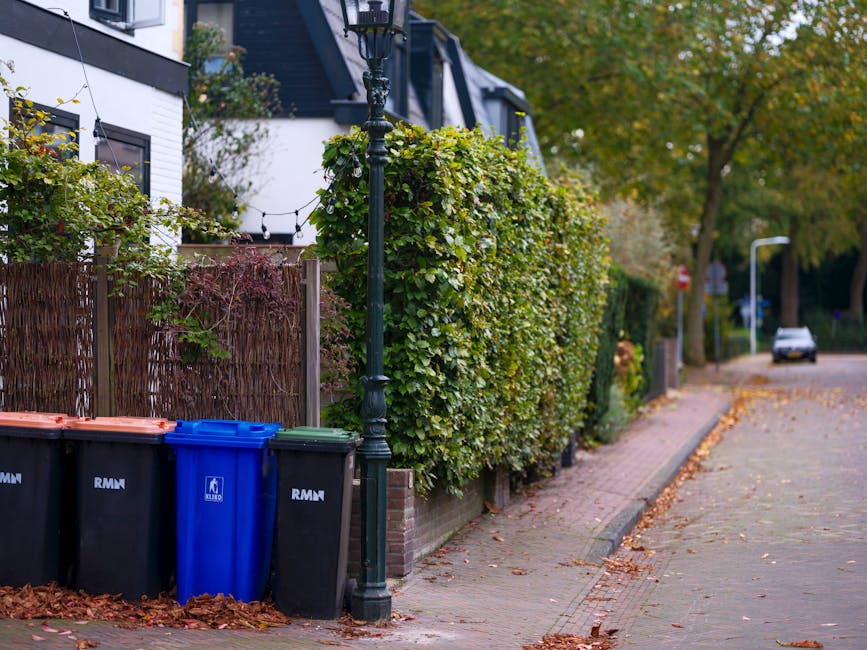
A typical Haringey scenario goes like this. A front hedge had grown high enough to feel enclosed from the street. The homeowner wanted more light, a clearer path, and easier access to bins. The neighbour, meanwhile, liked the privacy and did not want a harsh reduction. Not a dramatic dispute, but definitely one of those conversations that can drift sideways if nobody handles it well.
The gardener started by looking at the boundary, the hedge health, and the access route. Rather than cutting everything in one go, they recommended a staged trim: reduce the top modestly, open the sides gradually, and leave enough structure for recovery. They also advised the client to explain the plan to the neighbour before work began. Nothing flashy. Just sensible.
On the day, the team worked in sections, kept the pavement clear, and removed the cuttings promptly. By the time the last bag was loaded, the hedge looked more balanced and the front of the house had a cleaner feel without looking stripped bare. The neighbour still had a screen, just a lighter one. That is often the sweet spot.
The useful lesson here is that success was not only about the cutting technique. It was about timing, communication, and restraint. Garden work often looks simple from the outside, but the best outcomes usually come from the boring bits done well. And fair enough, the boring bits are where the trouble is prevented.
Practical Checklist
Use this before any boundary hedge job in Haringey:
- Confirm who owns or manages the hedge if this is unclear.
- Check whether the work is maintenance, reduction, or redesign.
- Look for nearby trees, walls, fences, paving, or access issues.
- Talk to the client about the expected finish and recovery.
- Warn neighbours if the work may affect shared light, privacy, or access.
- Choose tools that suit the hedge size and condition.
- Plan safe working methods for ladders, debris, and traffic or pedestrian exposure.
- Clear cuttings and sweep the area thoroughly after the job.
- Record the work completed and any boundary concerns.
- Follow up if the hedge needs staged maintenance rather than one hard cut.
Quick rule of thumb: if the hedge work changes how the boundary behaves, not just how it looks, slow down and check the implications first.
Conclusion
Haringey planning rules for boundary hedges and gardeners are easiest to handle when you think practically: boundary first, hedge second, paperwork and permissions third if needed. Most hedge jobs are still garden jobs, but the moment a hedge becomes part of a boundary dispute, a privacy issue, or a larger landscape change, the stakes rise a little.
The good news is that careful gardeners do well here. They ask the right questions, trim with restraint, keep people informed, and leave the space tidy. That combination saves time, keeps neighbours calmer, and usually produces a better-looking result too. Not bad for a few hours with a trimmer and a rake.
If you want support with ongoing hedge care, garden upkeep, or a larger boundary refresh, take a look at the relevant garden services and choose the approach that fits your space and your schedule. Sometimes the best garden decision is simply getting the right help at the right moment.
Get a free quote today and see how much you can save.
Frequently Asked Questions
Do boundary hedges in Haringey always need planning permission?
No, not usually. Routine hedge trimming and maintenance are often just normal garden work. Planning concerns tend to come in when the work is more substantial, changes the character of the boundary, or sits within a more sensitive setting.
What should a gardener check before trimming a boundary hedge?
They should check ownership or responsibility, the hedge's location, nearby trees or structures, access for tools and waste, and whether the work is simple maintenance or something more significant.
Can I cut a hedge if it overhangs from my neighbour's side?
Sometimes, but only carefully and only to the extent you are entitled to do so. It is better to confirm the boundary position and keep the work reasonable rather than hacking it back and hoping for the best.
Is there a best time of year to trim boundary hedges?
It depends on the hedge type and condition. In general, lighter regular trimming is kinder than rare heavy cuts, and timing should avoid harming the plant or disturbing wildlife. A practical check before starting is always wise.
What if the hedge is linked to a tree?
Then extra care is needed. Tree protection, root systems, and canopy spread can all affect what work is suitable. If a hedge sits close to a tree, the safest route is to assess it carefully before cutting.
How do gardeners avoid neighbour complaints?
By communicating early, explaining the plan clearly, avoiding unnecessary damage, and leaving the site tidy. A short conversation beforehand often prevents a long conversation afterwards.
What is the difference between trimming and reducing a hedge?
Trimming tidies and shapes growth. Reducing means cutting the hedge back more substantially to lower its size. Reduction is more disruptive and needs more judgement because it changes the hedge more dramatically.
Should a gardener document boundary hedge work?
Yes, especially if the hedge is shared, contentious, or part of a regular maintenance plan. Simple notes and photos can be very helpful later if questions come up.
Can a hedge be part of a wider landscaping project?
Absolutely. Boundary hedges often sit alongside planting, paving, lawns, or seating areas. In those cases, the hedge should be treated as part of the overall garden design, not an afterthought.
What if the hedge has become too large for normal maintenance?
It may need staged reduction, not a one-off severe cut. That approach is usually more manageable for the plant and less shocking visually. It also gives you more control over the final shape.
How do I know if a hedge job is too risky to do myself?
If you are dealing with height, awkward access, uncertain boundaries, nearby trees, or a neighbour dispute, the risk level goes up. At that point, getting professional help is usually the calmer and safer decision.
Where can I find more help with garden work in Tottenham and Haringey?
Look for a service provider that offers clear information about maintenance, safety, waste handling, and garden-related work. Useful starting points include about the company, pricing and quotes, and contact details if you want to ask about your specific garden.