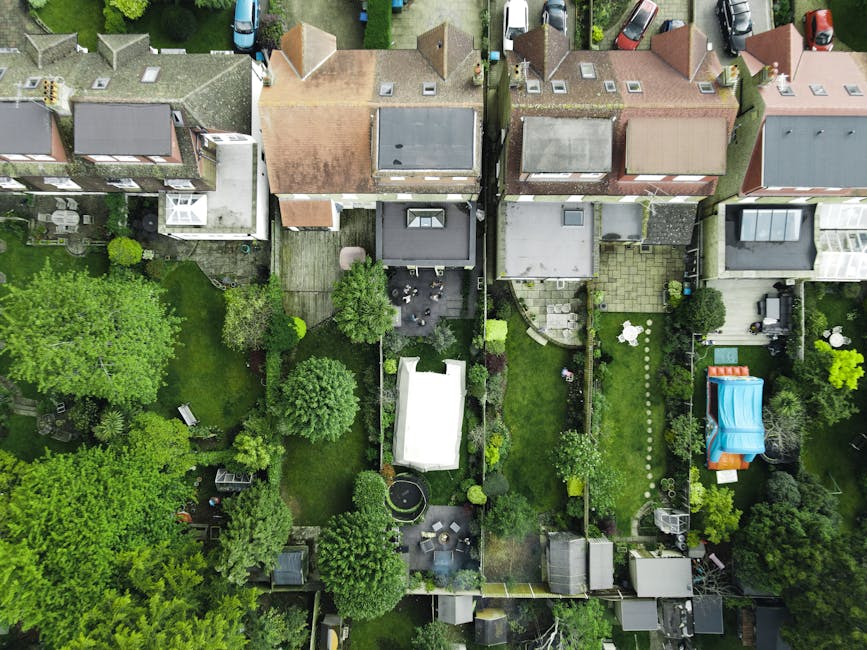
Seven Sisters garden maintenance guide for Tottenham terraces
If you live in a Tottenham terrace, you already know the garden can be both a blessing and a bit of a puzzle. Narrow access, patchy shade, compact soil, a neighbour's fence that leans a little more each winter, and a lawn that never quite behaves the way you hoped. This Seven Sisters garden maintenance guide for Tottenham terraces is designed for exactly that kind of space: practical, local, and realistic.
Seven Sisters gardens often need a different rhythm from larger suburban plots. Space is tight, privacy matters, and small details make a bigger visual difference. A tidy front patch, a well-kept back yard, or even a narrow strip of planting can change how the whole home feels. To be fair, a terrace garden that looks "easy" usually takes thoughtful, regular care behind the scenes.
In this guide, you'll find a clear maintenance approach, what works well in Tottenham terrace settings, what to avoid, and how to decide whether you can manage it yourself or benefit from professional support. Where useful, we'll also point you to helpful service information such as the full range of garden services, pricing and quote details, and the company's insurance and safety information.
Let's face it, terrace gardens can get messy fast. The good news is that with a sensible routine, the work becomes manageable.
Why Seven Sisters garden maintenance guide for Tottenham terraces Matters
Terraced homes in Seven Sisters and the wider Tottenham area tend to come with compact outdoor spaces that are exposed to the realities of city living: wind tunnels between buildings, shade from neighbouring properties, runoff from hard surfaces, and the occasional bit of litter or leaf build-up that appears almost overnight. A terrace garden is rarely just "a small garden"; it is usually a multi-purpose outdoor room that has to look good, stay safe, and not become a weekend burden.
That's why a terrace-specific maintenance approach matters. What works in a large detached garden can be overkill here. A sprawling border, for example, may be beautiful, but on a narrow plot it can quickly start to feel cramped and hard to access. The aim is not perfection. The aim is a tidy, healthy, usable space that suits your home and your routine.
For many Tottenham residents, the garden also plays a practical role: somewhere to dry washing, store bins neatly, sit out on the first warm evening, or grow herbs by the kitchen door. If you've ever stepped outside on a spring morning and noticed that neat-cut grass smell after a trim, you'll know how quickly a small outdoor space can feel more like a room than a patch of ground. That's the real value of consistent maintenance.
There's also a presentation angle. A well-kept frontage can improve kerb appeal, and a tidy back garden often makes a terrace home feel larger and calmer. Not flashy. Just better. And sometimes that's enough.
How Seven Sisters garden maintenance guide for Tottenham terraces Works
The best way to think about terrace garden maintenance is as a cycle rather than a single job. You observe, tidy, cut, prune, clear, and then adjust based on the season. In practice, this usually means small, regular tasks that prevent bigger problems later.
A typical maintenance plan for a Tottenham terrace may include:
- regular mowing or grass care, if you have a lawn or lawn-like area
- weeding paths, beds, and edge lines before growth becomes stubborn
- hedge, shrub, and climber trimming to keep boundaries neat
- leaf clearance and debris removal, especially in autumn
- deadheading, mulching, and light feeding where planting beds exist
- checking drainage, pots, and hardstanding for standing water or moss
The exact mix depends on what your garden contains. A tiny paved yard with raised beds needs a different maintenance rhythm from a narrow lawn bordered by shrubs. In Seven Sisters, many gardens have a blend of hard landscaping and planting, so the job is often about balance: enough greenery to soften the space, enough structure to keep it easy to live with.
Professional gardeners often work in a fairly simple sequence. First they assess access, hazards, and the condition of the space. Then they deal with visible mess, cut back growth, and finish with detailing. That final stage matters more than people think. Edges, corners, pots, and thresholds are where a terrace garden either looks "done" or half-finished.
If safety and working practices matter to you, it's worth reviewing the company's health and safety policy and insurance and safety information before booking any service. It's a small step, but a sensible one.
Key Benefits and Practical Advantages
A well-maintained terrace garden does more than look tidy. It changes how the home functions day to day. Here are the most useful benefits.
- Better use of space: A clean, organised garden feels more open, even if it's small.
- Less weekend catch-up work: Small jobs handled regularly stop the garden from turning into a big chore.
- Improved appearance: Tidy edges, trimmed growth, and clear surfaces make a strong visual difference.
- Lower risk of damage: Overgrown roots, blocked drains, and mossy paving can cause nuisance if ignored.
- Safer movement: Clear paths and stable surfaces matter when the space is narrow or used often.
- More enjoyment: You are more likely to sit outside, plant herbs, or use the garden properly if it feels under control.
There's another benefit that gets overlooked: decision clarity. Once a garden is maintained well, you can see what it actually needs. You stop guessing. Is that corner too shady for grass? Are the pots drying out too fast? Does the fence line need climbers or just a clean-up? Maintenance reveals the truth, which is helpful, even if occasionally annoying.
For property owners, tenants, landlords, or managing agents, reliable garden care also makes handovers easier. A tidy terrace is easier to photograph, easier to inspect, and easier to keep on top of through the year.
Who This Is For and When It Makes Sense
This guide is for anyone dealing with a terrace garden in Seven Sisters, Tottenham, or nearby North London streets where outdoor space is compact and often shared by practical demands. It is especially relevant if you are:
- a homeowner who wants a tidy garden without spending every Saturday in it
- a tenant who needs to keep the space respectable and manageable
- a landlord preparing a terrace property for viewings or new occupants
- a busy family trying to keep play space safe and usable
- an older resident who prefers dependable help rather than heavy DIY
- a small business or rental property owner with a modest outdoor frontage
It makes sense to use a structured maintenance approach when the garden starts to feel harder to manage than it should. A little growth is fine. A slightly wild edge, fair enough. But if weeds are setting seed, paths are slippery, or pruning is being postponed month after month, the space can deteriorate quickly.
Sometimes the trigger is seasonal. Spring growth can surprise you after a wet March. Summer may bring fast trimming needs and more watering. Autumn fills corners with leaves, and winter highlights every overlooked patch of moss or damage. Other times the trigger is practical: you're moving house, you've got a new baby, work has intensified, or you simply do not want another job on the list. Completely understandable.
If you are comparing options for help, a service overview is a useful starting point. You can review the garden maintenance services overview to see what types of support may fit a terrace setup.
Step-by-Step Guidance
Here is a sensible, terrace-friendly way to approach maintenance. Nothing fancy. Just a practical sequence that works.
1. Start with a quick survey
Walk the whole garden before touching anything. Look for trip hazards, blocked drains, overgrown corners, damaged paving, dead plants, and any signs of pest activity. In small gardens, one neglected corner can make the whole space feel untidy.
2. Clear the obvious clutter first
Remove bins, broken pots, fallen branches, old planters, and anything that doesn't belong. It's amazing how much better a space looks once the clutter goes. Sometimes that's 50% of the win right there.
3. Tackle weeds and self-seeded growth
Weeds in terrace gardens often grow in path joints, along fence bases, and around the edge of raised beds. Pull them out while the soil is damp if possible. That tends to be easier on the roots. If you leave them too long, they get stubborn and a bit dramatic.
4. Cut back overgrowth carefully
Trim hedges, climbers, and shrubs to keep access clear and preserve light. In tight urban gardens, one overgrown climber can make a small yard feel shadowy. Keep an eye on neighbours' boundaries too; terrace gardens often share visual space.
5. Refresh the ground surface
If you have lawn, mow lightly and regularly rather than taking off too much at once. If your space is paved or decked, sweep, rinse, and remove moss or algae where needed. If you have gravel, rake it level and remove leaves before they mat down.
6. Feed, mulch, or water as appropriate
Planting beds, containers, and hanging baskets need different care from hard landscaping. Add compost or mulch where the soil is tired. Water deeply rather than little and often when plants need it, especially in summer. Terraces can dry out quickly because walls and paving reflect heat.
7. Finish with edges and detail
Clean edging, straight lines, and a final sweep make all the difference. A garden rarely looks "finished" until the edges are crisp. A small thing, yes, but it changes everything.
If you want to understand how professional visits are priced or arranged, it may help to review pricing and quotes before deciding whether to book a one-off visit or regular maintenance.
Expert Tips for Better Results
Most terrace gardens improve faster from consistency than from heroic effort. A few expert habits go a long way.
- Work in short sessions: Twenty to thirty minutes at a time is often enough to keep a small garden under control.
- Keep the centre open: In very narrow gardens, avoid overcrowding the middle with pots and ornaments. Let the space breathe.
- Use vertical planting wisely: Climbers, wall planters, and trellises can save floor space, but they still need maintenance.
- Group plants by water needs: That makes watering simpler and reduces stress on the plants.
- Watch for hidden damp: City gardens with fences and hard surfaces can trap moisture at the base of walls and planters.
- Trim little and often: Regular shaping is usually better than heavy cutting after months of neglect.
One useful habit is to do a five-minute "threshold check" whenever you come home through the garden or back yard. Ask yourself: does anything block the path, look unsafe, or need a quick sweep? That tiny routine prevents jobs from stacking up. And if you've ever spent a bank holiday morning fighting brambles, you'll appreciate that.
Another tip: think seasonally, not just reactively. In spring, you are setting shape. In summer, you are managing growth and water. In autumn, you are controlling leaf litter and decay. In winter, you are protecting structure and checking damage. That rhythm keeps the space looking steady rather than lurching from one emergency to another.
Common Mistakes to Avoid
Terrace garden maintenance looks straightforward, but a few common mistakes create unnecessary work.
- Letting weeds seed: A small weed problem becomes a much bigger one if you ignore the flowering stage.
- Overwatering containers: Many terrace plants suffer from too much water, not too little.
- Cutting hedges too hard: Heavy pruning at the wrong time can leave bare patches or stress the plant.
- Ignoring drainage: Water pooling against a wall or under paving should not be shrugged off.
- Overfilling the space: Too many pots, features, or beds can make a small garden feel cramped and awkward.
- Delaying seasonal clear-ups: Autumn leaves and winter debris build up fast in narrow outside spaces.
One mistake I see often is people trying to make a tiny terrace garden do everything at once: lawn, storage, dining, kids' play area, wildlife haven, plant nursery. That's a lot. Sometimes the best maintenance decision is subtraction. Fewer items, better layout, less fuss.
Another one is relying on "I'll do it next week." Everyone says that. Next week has a way of disappearing, doesn't it?
Tools, Resources and Recommendations
You do not need a shed full of kit to maintain a small Tottenham terrace well. In fact, too much equipment can be more nuisance than help. A compact, sensible tool set usually works best.
Useful tools for terrace gardens
- lightweight lawn mower or strimmer for small grassed areas
- hand shears or secateurs for shrubs and climbers
- sturdy broom and dustpan for paving, decking, and front steps
- weeding knife or hand fork for joints and tight corners
- watering can or hose with a controllable spray head
- rubbish sacks or garden waste bags for easy clearing
- gloves with decent grip, because thorny surprises happen
Useful resources to consider
If you are choosing between DIY maintenance and regular support, compare the job size to the time you realistically have. A small garden can still need recurring attention. That's where a service discussion becomes helpful. You can check the available garden services and then look at the quote process to understand what fits your budget and schedule.
It can also be worth reviewing the company's recycling and sustainability approach if you care about how green waste and cuttings are handled. In a city area, that matters more than people think.
DIY versus professional support
DIY is fine for routine sweeping, watering, and light trimming. Professional help becomes more attractive when the garden needs regular cutting, heavier clearance, access to taller shrubs, or simply a more dependable routine. There is no shame in that at all. A lot of terrace owners use a mix of both.
| Approach | Best for | Pros | Watch-outs |
|---|---|---|---|
| DIY maintenance | Light tasks, quick tidy-ups, low-cost upkeep | Flexible, cheap, hands-on control | Easy to postpone, tools and time needed |
| One-off professional visit | Seasonal resets, overgrown gardens, move-in clean-ups | Fast results, less stress, specialist tools | Not as consistent unless repeated |
| Regular maintenance plan | Busy households, landlords, tidy front and back spaces | Reliable, neat year-round, less catch-up work | Ongoing cost, needs clear expectations |
Law, Compliance, Standards, or Best Practice
For most homeowners, terrace garden maintenance is mainly about good practice rather than formal regulation. Still, there are sensible UK considerations worth keeping in mind.
First, if you hire someone to work on your garden, basic safety and insurance expectations matter. It is reasonable to ask how the work will be carried out, what happens with tools and waste, and whether the provider has appropriate cover. The site's health and safety policy and insurance and safety details are good places to check before you commit.
Second, if garden waste is being removed, it should be handled responsibly. That usually means separating green waste where possible and avoiding casual dumping. A proper sustainability approach is part of decent service standards, which is why the recycling and sustainability page can be genuinely useful to read.
Third, if you live in a leasehold or managed property, there may be expectations around appearance, access, boundary care, or waste storage. These are not always the same from one property to another, so it is worth checking your own agreement rather than assuming. Common sense, really, but worth saying.
Best practice also means communication. If you are booking a service and have access issues, side return narrowness, pets, awkward gates, or neighbour sensitivities, mention them upfront. That helps avoid surprises on the day. The smoother the setup, the better the result.
Options, Methods, or Comparison Table
There are several ways to maintain a Seven Sisters terrace garden, and the right one depends on how much time, energy, and consistency you want to spend.
| Method | What it involves | Good choice if... | Less ideal if... |
|---|---|---|---|
| Weekly DIY care | Short, regular gardening sessions | You enjoy hands-on maintenance and have limited growth | You struggle to keep up or the garden gets overrun quickly |
| Fortnightly tidy-up | More focused clean and trim visits | The garden is manageable but needs routine attention | You need constant control of fast-growing plants |
| Seasonal deep clean | One-off heavier reset at key times of year | You can handle interim upkeep yourself | The space deteriorates between visits |
| Regular professional care | Scheduled maintenance with ongoing support | You want dependable results and less stress | You prefer full DIY and have plenty of time |
The table is a simplification, of course. Real gardens have personalities. Some spring back quickly after a trim; others seem to double in size if you blink. But the broad choice remains the same: do you want to maintain the space reactively, or keep it in a steady state?
Case Study or Real-World Example
Picture a typical Tottenham terrace back garden: a narrow paved yard, a small strip of grass near the rear, two large pots by the door, and a climber running along the fence. Nothing unusual. After a wet spell, the paving has a green film on it, weeds are starting in the edges, and the climber has pushed across the path a bit too much.
The first visit focuses on clearing, not perfection. The weeds are removed, the paving is swept and washed, the climber is cut back enough to reopen the path, and the grass is trimmed lightly rather than scalped. The pots are rearranged so the entrance feels wider. Then the garden is left in a state that's tidy, usable, and easier to keep that way.
What changes most is not the size of the space but the feeling of it. The garden becomes somewhere you'd actually step into with a cup of tea instead of walking around and thinking, "I'll sort that later." Later is the enemy here. Small, timely work beats a heroic catch-up every time.
A slightly different example: a front garden in Seven Sisters with boundary hedging, a small paved area, and a couple of shrubs. The owner wants kerb appeal without a complicated planting scheme. In that case, regular edging, hedge shaping, and sweep-downs do the heavy lifting. Simple, not boring. There is a difference.
Practical Checklist
Use this checklist to keep your terrace garden on track through the year.
- Check access paths and remove trip hazards
- Clear leaves, litter, and loose debris
- Remove weeds from edges, cracks, and beds
- Trim back overgrown shrubs, climbers, or hedges
- Mow lightly if you have a lawn area
- Sweep paving, steps, and thresholds
- Inspect drainage and look for standing water
- Water containers and planting beds as needed
- Feed or mulch tired soil where appropriate
- Reassess layout so the space stays easy to use
- Book a deeper clean or professional visit if growth is out of hand
Expert summary: On Tottenham terraces, the best maintenance results usually come from small, regular actions rather than occasional big efforts. Keep the space clear, trim before things get unruly, and design around how you actually live. That's the secret, really.
Conclusion
A terrace garden in Seven Sisters does not need to be large to matter. It just needs care that fits the space. The right maintenance approach keeps the garden safe, welcoming, and manageable without turning it into a second job. Whether you are looking after a narrow yard, a front frontage, or a small mixed-use outdoor space, the principles stay the same: keep it clear, keep it tidy, and do the little jobs before they become the big ones.
If you want a more supported route, it makes sense to compare services, check safety and sustainability details, and decide what level of help matches your home. Start with the service information, then look at quotes and pricing so you can plan properly. And if you want to understand the wider offer, the home page is a straightforward place to begin.
Get a free quote today and see how much you can save.
At the end of the day, a well-kept terrace garden should feel like a small relief every time you step outside. Quiet, tidy, usable. That's a good bit of North London living right there.
Frequently Asked Questions
How often should a Tottenham terrace garden be maintained?
Most terrace gardens benefit from light weekly attention in growing season and a deeper tidy every few weeks. Small spaces show mess quickly, so little and often usually works best.
What makes Seven Sisters terrace gardens different from larger gardens?
They are usually tighter on space, more exposed to neighbouring shade, and more dependent on smart layout. The maintenance goal is efficiency, not sprawling perfection.
Can I manage a terrace garden myself?
Yes, if the space is small and you are comfortable with regular sweeping, weeding, trimming, and watering. If the garden is overgrown or hard to access, professional help can save a lot of time and stress.
Is professional garden maintenance worth it for a small yard?
Often, yes. In a small yard, a tidy result is very visible, and regular maintenance can prevent the space from becoming overwhelming. It depends on your time and standards, though.
What services are usually included in terrace garden maintenance?
Common services include mowing, edging, pruning, weeding, leaf clearance, hedge trimming, and general tidy-ups. Some visits also include waste removal and basic plant care.
How do I choose between a one-off clean-up and regular visits?
If the garden is currently messy or overgrown, a one-off clean-up is a good reset. If you want the space to stay consistently neat, regular visits are usually better value over time.
What should I do before a gardener arrives?
Clear access, move fragile items, secure pets, and mention any awkward gates, shared areas, or parking issues. A few minutes of prep can make the job much smoother.
How can I keep weeds down in a terrace garden?
Remove weeds early, keep surfaces swept, and avoid leaving bare, neglected edges. Mulch in beds where suitable, and check cracks and joints before weeds get established.
Are there safety issues with terrace garden maintenance?
Yes, especially with slippery paving, awkward steps, narrow access, or heavier tools. That is why safety practices and insurance matter when hiring help, even for smaller jobs.
Do I need to think about waste disposal?
Yes. Garden cuttings, leaves, and old plant material should be handled responsibly. It is sensible to ask how green waste is removed or recycled before booking a service.
What is the best time of year to tidy a terrace garden?
Spring and autumn are often the most useful times for bigger resets, but terrace gardens benefit from year-round attention. Summer growth and winter debris can both create issues if ignored.
How can I make a small terrace garden look better quickly?
Start with the edges: clear clutter, sweep surfaces, remove weeds, and trim anything blocking the view or walkway. Clean lines make a remarkable difference in a small space.
Where can I find more information about service standards and payments?
It helps to review the company's payment and security information, along with their service and policy pages, before you book anything. That gives you a clearer picture of how things work.