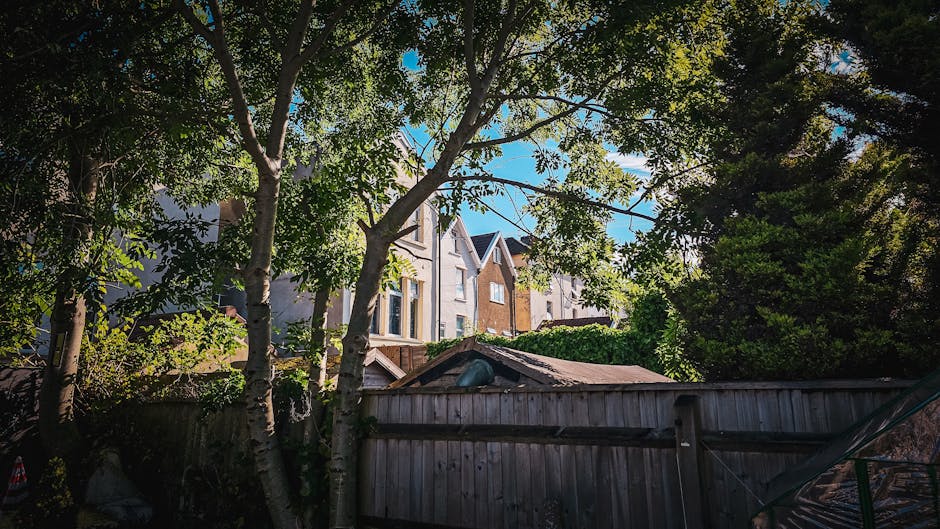
Tottenham Hale gardeners for small balconies and roof gardens
If you live in Tottenham Hale, chances are your outdoor space is doing a lot with very little. A balcony that catches the morning light. A roof garden that needs to stay lightweight, tidy, and safe. Maybe a narrow terrace where every pot has to earn its place. That is exactly where Tottenham Hale gardeners for small balconies and roof gardens can make the difference between a space that feels cluttered and one that feels calm, green, and genuinely usable.
The best small-space gardening is never just about putting in a few plants. It is about planning for wind, weight, drainage, privacy, maintenance, and the way you actually want to use the space on a Tuesday evening after work. Good gardeners understand that. They work with constraints instead of fighting them, and that usually leads to better results anyway. To be fair, small spaces can be more rewarding than big gardens once they are set up properly.
In this guide, you will find a practical, local-minded look at balcony and roof garden gardening in Tottenham Hale: what it involves, how the process works, which choices matter most, and the mistakes that tend to trip people up. You will also find a checklist, a comparison table, and answers to common questions so you can decide what makes sense for your space without the usual guesswork.
For an overview of the wider services available, it can help to start with the services overview. If you are comparing costs or planning a project, the page on pricing and quotes is also useful.
Table of Contents
- Why Tottenham Hale gardeners for small balconies and roof gardens Matters
- How Tottenham Hale gardeners for small balconies and roof gardens Works
- Key Benefits and Practical Advantages
- Who This Is For and When It Makes Sense
- Step-by-Step Guidance
- Expert Tips for Better Results
- Common Mistakes to Avoid
- Tools, Resources and Recommendations
- Law, Compliance, Standards, or Best Practice
- Options, Methods, or Comparison Table
- Case Study or Real-World Example
- Practical Checklist
- Conclusion
- Frequently Asked Questions
Why Tottenham Hale gardeners for small balconies and roof gardens Matters
Small outdoor spaces in Tottenham Hale often face the same practical issues: exposure to wind, limited storage, awkward access, and not enough room for heavy, thirsty planting schemes. A balcony on the fifth floor is not the same as a sheltered garden patio, and a roof garden has its own set of pressures altogether. You may have drainage channels, load limits, neighbour sightlines, and building rules to think about. It is a lot.
That is why local gardening help matters. A gardener who understands compact urban spaces can suggest plants and layouts that actually survive the conditions rather than looking good for a week and then sulking. They will also know how to make the space feel intentional. Even a tiny balcony can become somewhere you want to sit with a coffee in the morning, listen to the traffic soften in the background, and enjoy a bit of green without turning it into a maintenance headache.
There is also a trust factor. Roof gardens especially need careful handling. Heavy containers, poor drainage, or unstable furniture can create avoidable risks. A thoughtful approach, backed by sensible methods and proper insurance awareness, makes the whole project calmer. If you want to understand the sort of operational standards that should sit behind any service, the company's insurance and safety information and health and safety policy are good places to look.
Expert summary: Small balcony and roof garden work succeeds when the planting, structure, and maintenance plan all match the space. If one of those is out of sync, the whole thing becomes harder than it should be.
How Tottenham Hale gardeners for small balconies and roof gardens Works
In practice, a good balcony or roof garden project usually starts with a proper assessment. Not a quick glance. A real look at what the space can handle, what it is exposed to, and how you want to use it. That might include measuring sunlight through the day, checking access for materials, looking at existing surfaces, and understanding whether the area is more windy than you first thought. Roofs can be sneaky like that.
Then comes the design stage. This is where the gardener decides how the planting will work in layers: taller screening plants for privacy, medium-height structure for shape, and lower planting for colour or herbs. Containers matter too. Lightweight planters, self-watering systems, and modular beds are often better than heavy ceramic pots, especially where weight or maintenance is a concern.
After that, installation begins. Good installation is about more than placing pots. It includes drainage, soil choice, stability, access routes, and sometimes surface protection. On a roof garden, you may also need to think about how water moves across the space after rain. In a balcony setting, it may be more about ensuring trays, saucers, and run-off do not create mess or damage. Very unglamorous, yes. Still important.
Ongoing care is the final piece. Some spaces need weekly attention during the growing season; others can be kept in shape with lighter, scheduled visits. If you want a service that keeps things tidy without overcomplicating matters, it can be worth reviewing the broader gardening service options before deciding what level of support you need.
In a typical small-space job, the workflow looks like this:
- Site assessment and measurements.
- Discussion of style, usage, sunlight, and maintenance level.
- Plant and container selection suited to wind, shade, or exposure.
- Safe installation with attention to weight and drainage.
- Follow-up care, pruning, feeding, and seasonal refreshes.
Key Benefits and Practical Advantages
One of the biggest benefits of using a gardener for a small balcony or roof garden is that you avoid expensive trial and error. You do not have to buy three wrong plants, move a heavy planter twice, and then realise the whole spot gets scorched by afternoon sun. That happens more often than people admit.
Other practical advantages include:
- Better use of limited space - every square metre works harder when the layout is intentional.
- Improved plant survival - the right species for wind, shade, or sun are far more likely to thrive.
- Safer arrangements - especially important on roof gardens and upper-floor balconies.
- Less maintenance stress - clever planting choices reduce watering and constant rework.
- More privacy and comfort - screens, climbers, and layered planting can soften overlooking windows.
- Better visual flow - small spaces feel larger when the design is consistent and uncluttered.
There is also a value angle. A neat, well-kept outdoor area tends to feel like an extension of your home rather than an afterthought. It can make a flat feel more liveable, which is no small thing in London. On a warm evening, with a couple of herbs brushing your hand and a bit of movement in the leaves, the space feels different. More yours.
If sustainability matters to you, it is worth asking how materials, trimmings, and green waste are handled. A responsible approach to local gardening often includes careful disposal and reuse where possible. You can read more about that on the recycling and sustainability page.
Who This Is For and When It Makes Sense
This kind of service is a strong fit if you have a small outdoor area but want it to work properly instead of just looking pretty in one Instagram photo and then collapsing into chaos. In particular, it suits:
- Flat owners who want a low-fuss balcony garden.
- Renters who need a temporary but attractive setup.
- Households with roof terraces that need lighter planting and safer layouts.
- Busy professionals who want year-round structure without constant upkeep.
- People with shady or windy spaces that need expert plant selection.
- Anyone who wants privacy screening without bulky hard landscaping.
It also makes sense when you are not sure where to begin. A lot of people know what they want the space to feel like but not how to get there. They might say, "I want it green, but not cluttered," or "I want herbs, but I do not want another job." That is fair enough. A good gardener can translate that vague wish into a workable plan.
Sometimes the right moment to call in help is after a first attempt has failed. Perhaps a few plants keeled over after a windy spring, or the planters are too heavy, or water stains have become a nuisance. Happens all the time. No shame in it.
Step-by-Step Guidance
If you are approaching a balcony or roof garden project for the first time, keep the process simple. Fewer decisions, better decisions. That usually wins.
1. Start with the practical limits
Check the size, access points, and condition of the surface. On roof spaces, ask about any loading restrictions or building requirements before introducing heavy containers. On balconies, consider railing height, drainage, and whether the floor surface is sealed or sensitive to water.
2. Decide what the space should do
Do you want to sit, grow herbs, screen out neighbouring windows, or create a calm visual escape? A single space can do several things, but it helps to choose a primary use. Otherwise, the design can become a bit of a jumble. Let's face it, many small spaces end up trying to do everything and doing none of it well.
3. Match plants to the conditions
Choose plants based on sunlight, wind exposure, and how much maintenance you can realistically keep up with. Mediterranean-style herbs may suit a sunny, exposed balcony, while shade-tolerant ferns or compact evergreens may be better in sheltered spots. Climbers can be brilliant if you need privacy without taking up floor area.
4. Build the layout from the edges inward
Start with the tallest or most structural items at the back or perimeter, then layer down. This keeps the centre open for movement and makes the space feel bigger. In a narrow balcony, even one misplaced planter can block the flow and make everything feel awkward.
5. Set up watering and maintenance routines
Small containers dry out quickly. Roof gardens can be even more exposed. Self-watering planters, moisture-retentive compost, and grouped containers can all help. Maintenance should be realistic, not aspirational. A clever design is one you can actually keep alive.
6. Review and adjust seasonally
Spring, summer, and autumn each call for different attention. Some plants may need cutting back after a windy spell, while others need replacing or moving. A seasonal refresh keeps the space looking cared for rather than tired.
For planning support and practical estimates, you can also use the quotes and pricing information to understand how services may be structured.
Expert Tips for Better Results
Here are the details that often separate a decent small garden from one that genuinely works well.
- Use fewer plant types, not more. Repetition creates calm. Too many species can make a small space feel fussy.
- Think in layers. One low planter, one medium container, one upright feature often looks better than five random pots.
- Prioritise lightweight materials. This is especially useful on roof gardens where weight adds up quickly.
- Choose containers with proper drainage. Waterlogged roots are a common reason for failure, and they are easy to avoid.
- Use evergreen structure. Even in winter, a bit of green shape stops the space feeling empty.
- Keep a small storage plan. A place for watering cans, feed, gloves, and cuttings saves endless faff.
One practical trick: before buying anything, mark out the footprint of your proposed planters with tape or cardboard. It sounds almost too simple, but it helps you see how much walking room is left. People often discover they want slightly less furniture and slightly more breathing space. That shift alone can transform a balcony.
If you are interested in the care behind the service as much as the finished look, it is worth checking the company's health and safety policy and insurance and safety information before booking.
Common Mistakes to Avoid
Small outdoor spaces can be surprisingly easy to get wrong. Usually it is not because of bad taste. It is because a few practical details get missed early on.
- Choosing plants for looks only. A beautiful plant that hates wind will still be a bad choice.
- Overloading the space. Heavy pots, oversized furniture, and too many accessories can create both structural and visual clutter.
- Ignoring drainage. Water needs somewhere to go. If it cannot leave cleanly, trouble follows.
- Forgetting access for maintenance. If you cannot reach the back corner, it will slowly become the forgotten corner.
- Skipping seasonal care. Even a low-maintenance space needs occasional editing.
- Using one-size-fits-all advice. What works in a sheltered courtyard may be useless on an exposed rooftop in Tottenham Hale.
Another common issue is trying to create a mature garden instantly. Realistically, compact spaces improve over time. The best results often come from a thoughtful first setup followed by small, sensible adjustments. Not dramatic overhauls every month.
Tools, Resources and Recommendations
You do not need an enormous toolkit to look after a balcony or roof garden, but the right basics make life easier. A good gardener will usually work with:
- Lightweight planters and troughs
- Quality compost suited to container growing
- Moisture meters or a simple watering routine
- Hand tools for pruning, deadheading, and tidying
- Plant supports and ties for climbers or taller stems
- Protective mats or trays where surfaces need shielding
For homeowners or tenants who want to compare service options, the services overview can help you understand what level of support fits your situation. If you are making a booking and want confidence in the payment process, the payment and security page is also worth a look.
One more practical resource: if you are conscious of waste, ask how green material is handled and whether reusable materials are preferred where appropriate. That is often where the better service providers quietly differentiate themselves. No big song and dance, just better habits.
Law, Compliance, Standards, or Best Practice
For balcony and roof garden work, the most relevant issue is usually not a single dramatic law but a set of sensible best practices and responsibilities. In shared buildings, lease terms, building management rules, and access arrangements may apply. Roof gardens in particular may have specific constraints around load, waterproofing, drainage, and safe access. It is wise to check before any significant installation.
Health and safety also matters in a very down-to-earth way. Lifting heavy containers, working near edges, using tools on upper floors, and carrying materials through communal areas all introduce avoidable risk if they are not planned properly. A professional approach should include careful handling, appropriate public liability cover, and respect for the property itself.
Where contractors are involved, clear communication is part of best practice too. That means agreeing what will be done, where materials will go, how waste will be cleared, and what happens if conditions on site differ from the original plan. That last one matters more than people think. Rain, wind, awkward access, and building restrictions can change a job on the day.
If sustainability and disposal standards matter to you, the recycling and sustainability information is a useful reference point. For service transparency and any concerns after work is completed, the complaints procedure shows how issues are handled in a formal, orderly way.
One small but important note: in a busy urban setting, access and accessibility can matter more than expected, especially if you need step-free entry, communication support, or a simpler booking process. That is where an accessibility statement can help set expectations clearly.
Options, Methods, or Comparison Table
There is no single best way to garden a compact outdoor area. The right choice depends on your space, your building, and how much upkeep you want to take on. Here is a straightforward comparison of common approaches.
| Approach | Best for | Pros | Watch-outs |
|---|---|---|---|
| Container-only planting | Balconies and light-touch rooftop use | Flexible, movable, relatively easy to refresh | Can dry out quickly; needs regular watering |
| Layered planters and screens | Privacy, structure, and visual depth | Makes the space feel greener and more enclosed | Can become heavy or crowded if overdone |
| Herb and edible focus | Sunny balconies and kitchen-led spaces | Useful, fragrant, satisfying to maintain | Needs sun and consistent watering |
| Low-maintenance evergreen scheme | Busy owners and rental properties | Stays tidy through the year, lower effort | May need more careful plant choice to avoid looking sparse |
| Mixed seasonal scheme | People who want variety and colour | More interest through the year, more personality | Requires more regular upkeep and rotation |
If you are unsure which route suits you, start simple. In compact spaces, simple often looks more refined anyway.
Case Study or Real-World Example
Picture a typical Tottenham Hale apartment balcony: long and narrow, with morning sun, a bit of afternoon shade, and a breeze that seems to arrive out of nowhere. The owners want somewhere to sit after work, plus a little greenery and some privacy from the neighbouring block.
A sensible plan might begin with lightweight trough planters along one edge, planted with a mix of evergreen structure and soft foliage. A couple of herbs could sit closer to the door, where they are easy to reach and more likely to get used. A narrow bench or foldable chair set would leave a clear walking line, and a climbing support could be fixed discreetly for seasonal screening.
The first version of the space may not be perfect. Truth be told, that is normal. Maybe one planter proves too shallow for the original plant choice. Maybe the wind is stronger than expected, so a taller pot needs repositioning. The point is not to get everything right in one go. The point is to create a stable, enjoyable baseline and then refine it.
That kind of project often ends up feeling better than an overcrowded "finished" balcony, because it works in real life. It is easier to water, easier to tidy, and much nicer to sit in on a late summer evening when the light softens and the city noise drops a level.
Practical Checklist
Use this checklist before you start or when reviewing a proposed setup:
- Measure the space accurately, including access routes.
- Check whether the balcony or roof area has weight or loading restrictions.
- Confirm how water will drain and where excess moisture will go.
- Decide the main use: seating, privacy, herbs, colour, or a mix.
- Choose plants that suit wind, sunlight, and maintenance capacity.
- Prefer lightweight, stable containers where possible.
- Keep a clear walking path through the space.
- Plan for seasonal pruning, feeding, and deadheading.
- Consider how waste and cuttings will be removed or recycled.
- Review safety, insurance, and payment details before booking.
For practical service details and a smooth booking experience, the pages on payment and security and pricing and quotes can help you move forward with less uncertainty.
Conclusion
Small balconies and roof gardens can be some of the most satisfying outdoor spaces to get right, especially in Tottenham Hale where good planning really does matter. With the right gardener, the space becomes safer, easier to maintain, and far more enjoyable to use day after day. That is the real value here, not just prettier pots.
Whether you want a calm retreat, a practical herb corner, or a compact roof garden that feels polished rather than cluttered, the key is the same: design for the space you actually have, not the one you wish you had. Small spaces reward restraint, care, and a steady hand. And a bit of patience, too.
If you want a clear next step, review the service details, check the quotes, and make sure the provider's safety and sustainability standards match your expectations. A little due diligence goes a long way, honestly.
Get a free quote today and see how much you can save.
Even the smallest outdoor space can become a place you look forward to stepping into, and that counts for a lot.
Frequently Asked Questions
What do Tottenham Hale gardeners for small balconies and roof gardens usually help with?
They typically help with layout planning, plant selection, container setup, pruning, seasonal maintenance, and making sure the space is practical as well as attractive. On roof gardens, they may also consider access, drainage, and safety more carefully than in a standard ground-level garden.
Can a small balcony really support proper planting?
Yes, absolutely. Even a compact balcony can support a thoughtful planting scheme if you choose the right containers and species. The main thing is to avoid overcrowding and to match the plants to the available light and exposure.
Are roof gardens more difficult to maintain than balconies?
Often, yes. Roof gardens are usually more exposed to wind and sun, and they may have stricter practical constraints around load and drainage. That does not make them impossible, just a bit more technical. A good plan makes a huge difference.
What plants work best in windy rooftop spaces?
Tough, compact, and upright plants tend to perform better in windy conditions. Evergreens, grasses, and some hardy herbs can be good choices, depending on the amount of sun. The best selection will always depend on the exact site conditions.
How often does a small balcony garden need watering?
That depends on sun, wind, container size, and the plants themselves. In warm or exposed weather, container plants may need water more often than you expect. Smaller pots dry out quicker, so a watering routine matters more than most people realise.
Do I need permission for balcony or roof garden work?
Sometimes you may need to check lease terms, building management rules, or other property-specific requirements, especially for roof spaces or anything involving larger structural changes. If in doubt, ask before installing anything significant.
What is the safest way to furnish a roof garden?
Use lightweight, stable furniture and avoid overloading the space with heavy containers or bulky items. Keep walkways clear, and make sure anything near the edge is secure. A professional gardener will usually factor safety into the layout from the start.
How much maintenance does a small-space garden need?
It varies, but small spaces usually need regular attention rather than huge occasional jobs. A short weekly routine and seasonal refreshes are often enough for a well-designed balcony or roof garden. The more exposed the space, the more attention it may need.
Can a gardener help make a balcony feel more private?
Yes. Privacy can often be improved with climbers, screening plants, layered containers, and careful arrangement of furniture. It is usually better to create soft screening than to pack the space with solid barriers that make it feel boxed in.
What should I ask before booking a gardening service?
Ask about experience with small balconies or roof gardens, how they handle safety and insurance, what materials they recommend, how waste is removed, and what level of maintenance will be needed after the initial work. Clear answers are a very good sign.
How do I know if a quote is fair?
A fair quote should explain what is included, what materials are expected, and whether ongoing maintenance is separate. The cheapest option is not always best if it cuts corners on safety, plant quality, or drainage. Compare like with like where possible.
What if my balcony gets very little sunlight?
That is still workable. Shade-tolerant plants, foliage-led designs, and careful container placement can make a low-light balcony look excellent. In fact, some shaded spaces end up feeling more relaxed and intimate than bright ones.
How do I keep the space looking good through winter?
Use evergreen structure, durable planters, and a simple layout that still looks tidy when flowers fade. A few strong shapes are better than lots of temporary colour that disappears by November. Winter does not have to mean bare and gloomy.
Where can I find more service and trust information?
It is sensible to review the services overview, pricing and quotes, and the site's support pages such as health and safety, insurance and safety, and complaints procedure before you book. That gives you a better sense of how the service is run.